



The Big Idea 💡
🔑 Codifying teaching practices isn’t just about classroom efficiency; it’s essential for effective professional development. With a shared language, we can build and reinforce teaching techniques that align with the EEF’s PD1 framework, starting with Building Knowledge.
A Closer Look 👀
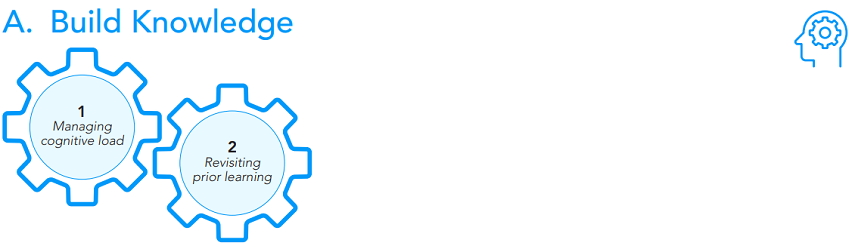
🧠 When PD uses codified strategies, it supports Building Knowledge by focusing on cognitive load management and revisiting prior learning. Teachers need clear, consistent terminology to fully grasp and apply these concepts in their day-to-day practice.
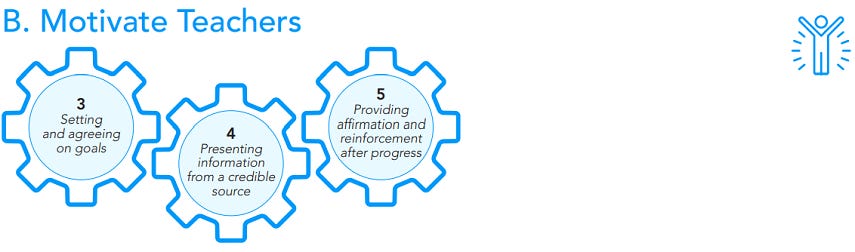
🎯 Codified teaching language also plays a crucial role in Motivating Teachers. By setting clear goals and presenting information from trusted sources, as outlined in the EEF framework, teachers feel more confident when their development is anchored in research and reliable practices.
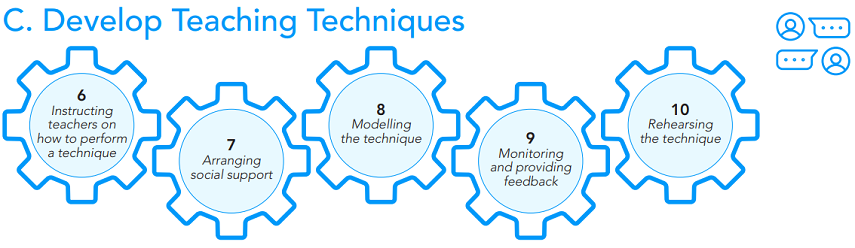
🔍 When it comes to Developing Teaching Techniques, having an agreed language means teachers can focus on practicing and refining strategies. Modeling, monitoring, and rehearsing techniques become far more effective when everyone knows exactly what those strategies look like in practice.
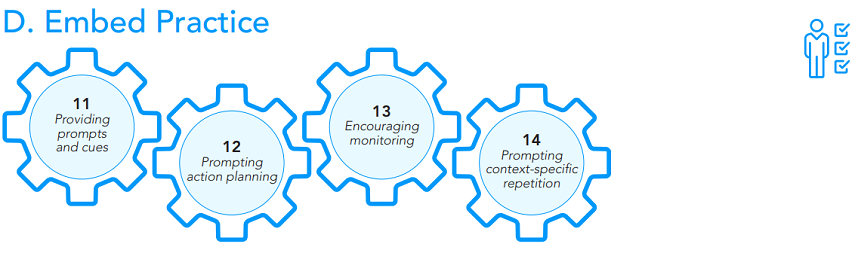
📈 The final step is Embedding Practice. Codified teaching strategies provide consistent prompts, encourage monitoring, and promote context-specific repetition - ensuring that what teachers learn through PD is translated into lasting classroom practice.
📝 More from WAGOLL Teaching
Thank You, AI: Can we get back to teaching now? ➡️ What might AI mean for the future of Primary teaching?
5 Triggers to Boost Classroom Engagement: Harnessing Dopamine and Cortisol for Learning ➡️ Understanding how dopamine and cortisol influence classroom engagement
Retrieval Practice: 7 Activities That work in Primary ➡️ A handy list of retrieval activities for Primary children
Speak soon,
Coops 😎
https://educationendowmentfoundation.org.uk/education-evidence/guidance-reports/effective-professional-development