



The Big Idea 💡
🥏 Yes, I play Ultimate Frisbee. Yes, it is a real sport. And just like teaching, it thrives on a shared, codified language. In both fields, technical terms like ‘force’ or ‘scaffolding’ don’t restrict creativity—they enable mastery and adaptability.
And despite it being the go-to argument for those who oppose the codification of teaching, the same should be said for the codification of teaching techniques.
A Closer Look 👀
👋 In Ultimate Frisbee, terms like “huck,” “pull,” and “swing” aren’t just moves – they’re essential skills. The pros have mastered these throws in ways I, as an amateur, can only aspire to, but we still speak the same language. (And yes, professional Ultimate Frisbee is a thing also!)
📚 Codified language in teaching like “Cold Calling,” “Worked Examples,” or “Scaffolding” might seem mysterious to outsiders, but to us, they’re critical tools. This language lets educators share knowledge quickly and develop expertise in these areas.
💬 Just like in Frisbee, where calling “zone defense” instantly aligns a team, educational terminology like “retrieval practice” has deep meaning in our field. But both communities also share a language that conveys more than a single action. Technically shared language shapes strategies, goals, and approaches, too.
🤔 So, what about adaptability? Mastering techniques alone isn’t enough - whether in sport or teaching, true expertise comes from knowing when and how to apply them in real-time. In a game, Frisbee players need to apply these strategies in creative ways, adapting in real-time to respond to the opposition. A responsive use of techniques is essential and is achieved once players are masters of these techniques. The same applies to the classroom. Sometimes, a change of tactics is needed in response to the children in front of you. The mastery of codified strategies does not hinder this but facilitates responsive teaching.
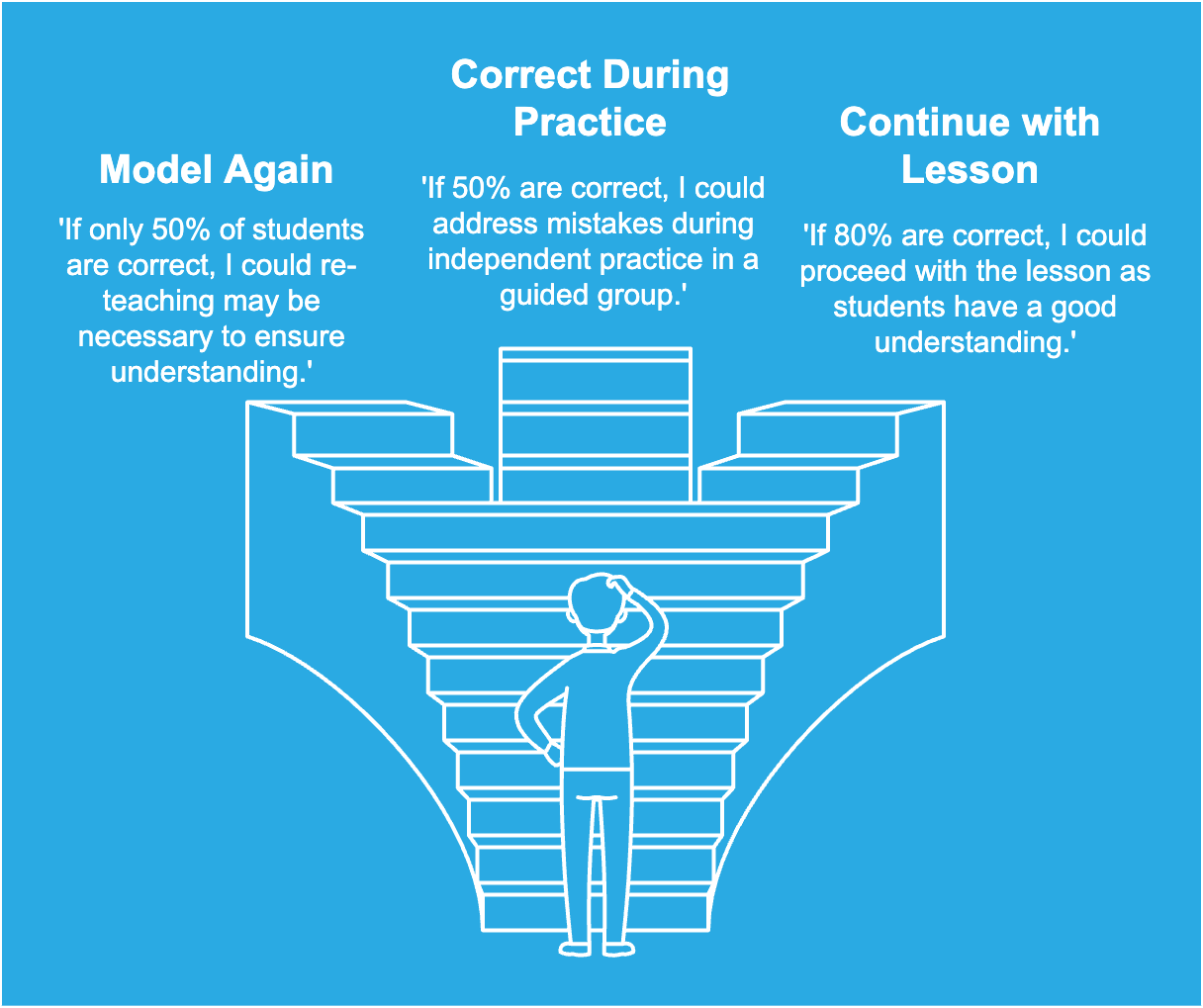
🧠 In sport, once techniques are mastered, they are combined to form drills, ‘plays,’ and tactics used to outwit the opponent. As these grow in complexity, decision-making becomes part of this. Incorporating decision-making mental models into teacher training can support teachers’ ability to adapt techniques and curate strategies from their repertoire. The article “Make Decision-Making Explicit” by Sarah Cottinghatt shares the value in visualising this decision-making to promote collaboration and discussion. Mapping decisions based on scenarios empowers teachers to see the cause and effect of their technique choices.
A Scenario Example: You want to check understanding of a new concept, so you ask children to write an answer to a question on their whiteboards.
What decision may you have to make based on the percentage of correct answers on display?
Codified language in both teaching and sport doesn’t box people in - it empowers them. It creates a shared understanding, allows for deeper expertise, and enables adaptability when challenges arise. Whether you’re a teacher in a classroom or an Ultimate Frisbee player on the field, the ability to master techniques, make real-time decisions, and shift strategies when needed is what truly makes the difference.
📝 More from WAGOLL Teaching
Exploring Success Criteria - Make Them Dynamic and Accessible ➡️ Success criteria should be planned, formatted and presented based upon the knowledge being taught. Here is a toolkit to support this planning.
5 Triggers to Boost Classroom Engagement: Harnessing Dopamine and Cortisol for Learning ➡️ Understanding how dopamine and cortisol influence classroom engagement
Retrieval Practice: 7 Activities That Work in Primary ➡️ A handy list of retrieval activities for Primary children
Speak soon,
Coops 😎